
धर्मो रक्षति रक्षितः
This country already possesses enough food, enough skill, enough wealth, and enough compassionate hearts to ensure that no one goes hungry, no child abandons education, no elder faces isolation, and no woman feels helpless in her hour of need.
Poverty in India is not fundamentally the absence of resources. It is the absence of ethical pathways that allow compassion to flow without distortion, interference, or exploitation.
We have the means. What we require are transparent, dignified systems that connect abundance with need—systems that honour both giver and receiver, systems that operate beyond the ego of charity and the spectacle of philanthropy.
“It lacks only systems that allow compassion to flow without distortion.”
Compassionate India Foundation exists precisely to build those pathways. We do not run conventional charity programmes. We design invisible bridges between genuine need and dignified fulfilment. We rely on crowdsourcing, volunteering and extensive use of technology to achieve this.
We ensure every resource reaches its intended destination through verified, transparent channels that eliminate the possibility of misappropriation. We prefer not to accept or touch money.
Pain is not content. Vulnerability is not marketing material. We protect the privacy and honour of every individual we serve.
We categorically refuse to document suffering. Human dignity cannot be commodified for organisational visibility or donor satisfaction.
Help should never become spectacle. Dignity must never be traded for relief. Compassion operates best in silence.
Because help should not become spectacle. Because dignity must never be traded for relief. Because the act of giving should elevate both giver and receiver, not create hierarchies of power and dependence.
Compassionate Kozhikode is founded on principles of dignity, anonymity, and zero-loss compassion delivery.
Compassionate India Foundation is formally registered as a public charitable trust to expand nationwide.
Kerala floods demonstrate the power of community-driven response. The model proves scalable during crisis.
Building invisible infrastructures of care across education, health, livelihood, and environmental domains.
Compassionate India Foundation is born from this lineage of ethical action. We exist to prove that compassion can be systemic rather than merely emotional. That dignity can be designed into processes, not requested as a favour. That help can be silent rather than spectacular.
We are not an NGO in the conventional sense. We are attempting to build civilisational infrastructure for care—permanent, replicable systems that make compassion the default, not the exception.
Our work spans multiple domains of human need, but our method never changes. We identify genuine need, verify it quietly, enable fulfilment without delay, and ensure no one is displayed or celebrated in ways that compromise dignity.
Food reaches. Care reaches. Tools reach. Hope reaches. Silently, systematically, respectfully.
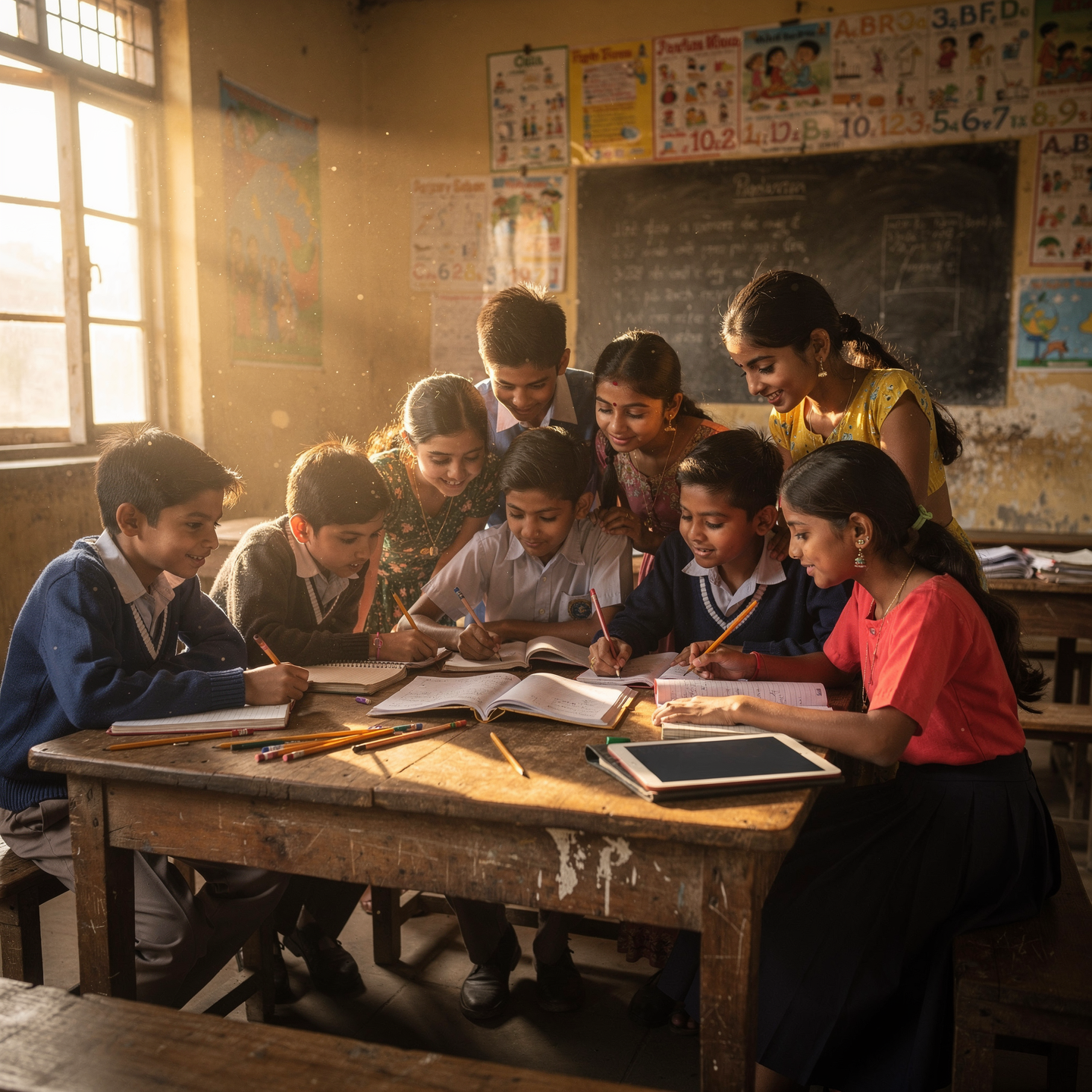
Ensuring no child's potential is limited by economic circumstance. Silent scholarship pathways, learning resources, and systemic support that preserves family dignity.
Community mental health circles, access to healthcare, and support systems that recognise psychological suffering as equally valid as physical illness.
Providing tools, training, and market access that enable self-reliance. Work is dignity. We create pathways to economic agency.
Climate resilience actions, sustainable practice support, and recognition that environmental degradation disproportionately harms the vulnerable.
Digital access pods for rural youth, women's livelihood networks, and systems that challenge structural inequalities rather than merely providing temporary relief.
Restaurants prepared meals. Hospitals shared resources. Volunteers moved through neighbourhoods. Citizens extended trust. This became Compassionate Kozhikode—a living demonstration that systemic compassion is possible.
When Kerala faced devastating floods in 2018, this same spirit returned with extraordinary force. Boats moved before official files were processed. Homes opened before government camps were established. People helped people without waiting for institutional authority.
The giver should not know the receiver. The receiver should not know the giver. Compassion must be liberated from power dynamics and gratitude obligations. We do not need intermediaries for transmission. But we have strong crowdsourced audit and scrutiny.
We do not handle cash transfers. We do not permit photography of charitable acts. Suffering is not content for social media. Help is not theatre for institutional branding.
Communities understand their own pain far better than distant institutions ever could. We enable and amplify local compassion networks rather than imposing external solutions.
Through community networks, trusted local partners, or verified individual requests, we identify authentic need that demands response.
Need is verified through discreet community consultation—never through invasive documentation or humiliating poverty certification.
Resources are mobilised without bureaucratic delay. Hunger does not wait. Medical emergencies do not wait. Educational opportunities do not wait.
No one is photographed, displayed, or made into a case study. No one is celebrated as a charitable success story. Dignity remains intact.
The intervention concludes without fanfare, without gratitude obligations, without creating dependency or power imbalances.
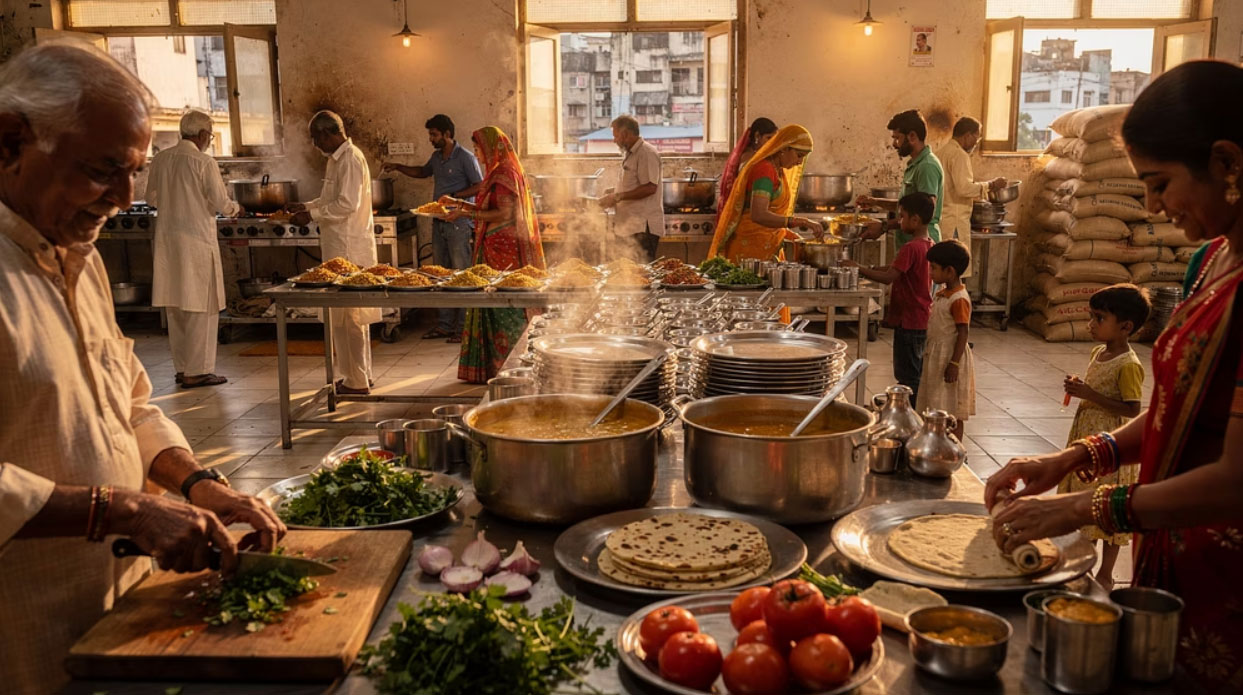
Optimising existing kitchens and restaurants, connecting directly to verified need points. Zero waste, zero hunger, zero humiliation. "Operation Sulaimani" is the first such model we rolled out.
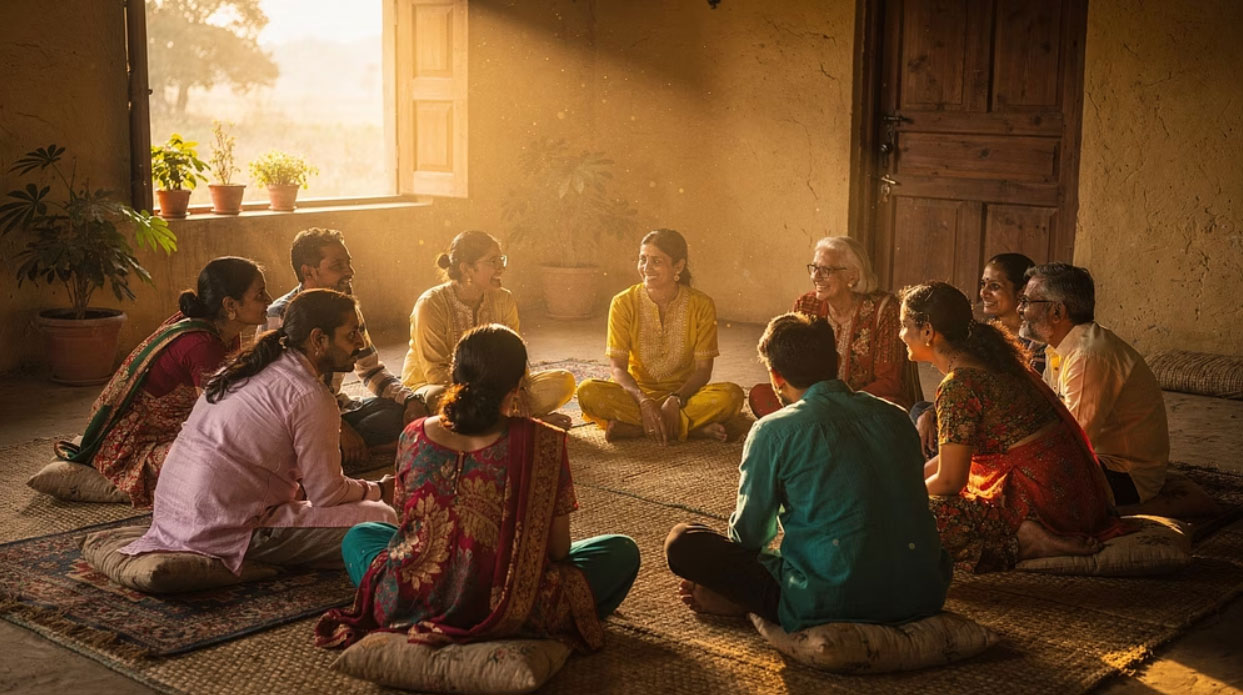
Peer-led support networks that recognise psychological suffering and provide safe, confidential spaces for healing and solidarity.
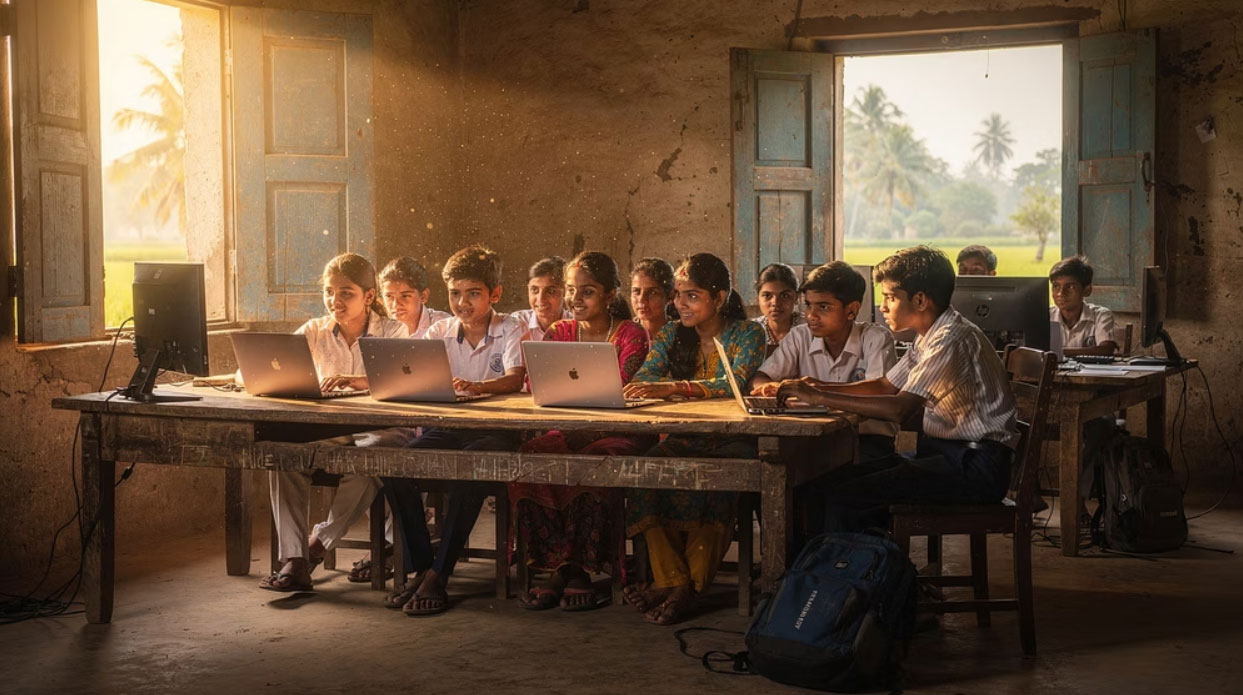
Technology centres in underserved areas providing internet access, digital literacy training, and connection to educational and economic opportunities.
Educational funding that reaches deserving students without application essays describing poverty or gratitude letters to donors. Merit and need verified quietly; support delivered respectfully.
Supporting communities facing environmental challenges with adaptive technologies, sustainable livelihood alternatives, and disaster preparedness systems.
Working with educational institutions to embed dignity-centred support systems for students facing economic hardship, mental health challenges, or social isolation.
Pre-positioned networks that can activate immediately when crisis strikes—modelled on Kerala's 2018 flood response where community action preceded official intervention.
“How much can you donate?”
“What visibility do you require in return?”
“How can we brand this partnership?”
“What system of compassion can we build together?”
“How can we make dignity the default, not the exception?”
“What invisible infrastructure would transform lives permanently?”

Charity should not become theatre. That the act of giving should not require an audience, and the act of receiving should not require performance.
Charity should not become theatre. That the act of giving should not require an audience, and the act of receiving should not require performance.
Poverty should not become content for organisational marketing. That human suffering is not raw material for emotional storytelling in annual reports.
Charity should not become theatre. That the act of giving should not require an audience, and the act of receiving should not require performance.
Then you belong here. Write to us. Not merely to fund us, but to build with us.
We are not building a charity economy. We are restoring a civilisational ethic that recognises abundance, honours dignity, and designs systems worthy of both giver and receiver.
Compassionate India Foundation operates as a registered public charitable trust, fully compliant with all applicable laws and regulations governing non-profit organisations in India.
We maintain the highest standards of financial transparency, governance practices, and regulatory adherence. All donations are eligible for tax benefits under applicable sections. All accounts are audited annually by independent chartered accountants.
We comply with the law. But we are governed by conscience.
Legal compliance is our baseline responsibility. Ethical integrity is our true standard. Every decision we make must satisfy not only regulatory requirements but also the test of moral clarity and dignified practice.
| Registered Trust | Doc. No. 80/2020 |
| PAN | AACTC7716K |
| Provisional 12A | AACTC7716KE20241 |
| Provisional 80G | AACTC7716KF20251 |
| CSR-1 | CSR00095425 |
| NGO Darpan | KL/2025/0633387 |